Source Windproof Warm Knitted Hat for Winter, Autumn, Spring
Find 30 options for a windproof warm knitted hat designed for winter, spring, and autumn wear. Buyers can compare styles, materials, and customization features to select the right headwear for adults.
Key considerations
Products List




Comprehensive Sourcing Guide
Strategic Sourcing Guide for Windproof Warm Knitted Hats
Understanding Product Attributes and Technical Specifications
When sourcing windproof warm knitted hats, buyers must first distinguish between the broad category of headwear and the specific technical requirements of the core keyword. The market offers a diverse array of options, ranging from simple beanies to complex, feature-rich headgear. Based on available product data, the foundational material for many high-performance knitted hats is 100% Acrylic. This material is frequently cited as a primary component, offering a balance of warmth, durability, and cost-effectiveness. However, the supply chain also includes variations utilizing 100% Cotton or blends involving Wool and Fleece. For a buyer specifically seeking "windproof" and "warm" attributes, the material composition is the first critical verification point. Acrylic provides excellent insulation properties, but the density of the knit and the inclusion of fleece linings often determine the actual wind resistance.
The construction technology plays a pivotal role in the final product's performance. The observed data highlights two distinct embroidery processes: Flat Embroidery and 3D Embroidery. While these terms often relate to decorative elements, they indicate the manufacturing capability of the supplier. A supplier capable of 3D embroidery demonstrates a higher level of technical precision, which can translate to better structural integrity in the knit itself. Furthermore, the "Pattern Theme" varies significantly, with "Character" and "Letter" designs being prominent. This suggests that customization is a major driver in this category. The "Style" attributes observed include "Checked" and "Dobby," indicating that the weave structure itself can contribute to the thermal properties of the hat. A Dobby weave, for instance, often creates a more textured and potentially thicker fabric compared to a standard jersey knit.
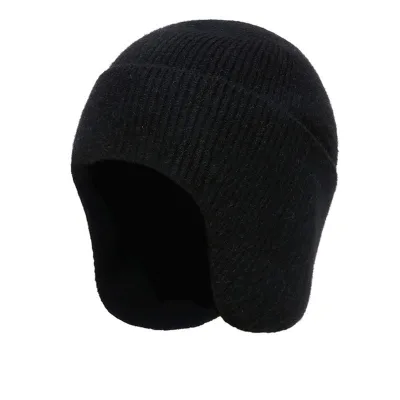
Fit and sizing are equally critical for a product intended to be windproof. The data indicates a wide range of sizing standards. Some products adhere to a specific "54-60cm" circumference, while others utilize a "One Size Fits Most" approach, often described as "Stretchable." The "Cap Around" specification of 54-60cm is a standard adult measurement, but the presence of "Large size" options suggests that buyers must verify the exact circumference required for their target demographic. Additionally, specific features like a "Ponytail Hole" or "Ear Warmer" extensions are available. These are not merely aesthetic; they are functional adaptations for specific user needs. A hat with an "Ear Warmer" feature is inherently more focused on wind protection for the head and neck area than a standard beanie. The "Adjustable" attribute further enhances the fit, allowing the wearer to tighten the seal against wind infiltration.
Material Composition and Thermal Performance Verification
The claim of "warmth" in a knitted hat is directly correlated to the material composition and the density of the fabric. While the provided data lists "100% Acrylic" as a common material, it also references "Acrylic/Wool/Fleece" as a standard category. Wool is naturally superior for moisture wicking and thermal retention, while fleece adds a layer of insulation that traps heat. For a buyer prioritizing windproof capabilities, the presence of a fleece lining or a tight-knit acrylic structure is essential. The "Special Features" list includes "Moisture Wicking" and "Lightweight," which are desirable traits for active winter wear. However, a lightweight hat is not automatically windproof; the density of the knit must be verified.
Buyers should request detailed material specifications that go beyond the generic "100% Acrylic" label. The distinction between a single-layer acrylic knit and a double-layer or fleece-lined construction is significant. The data mentions "Reversible" hats, which often implies a dual-layer construction where one side is a smooth acrylic and the other is a textured or fleece material. This reversibility can be a proxy for higher thermal mass. Additionally, the "Water Resistant" feature noted in the product attributes is a key differentiator. While water resistance does not equate to windproofing, a fabric treated for water resistance often has a tighter weave or a chemical coating that also impedes wind penetration.
The weight of the product is another observable metric that correlates with warmth. The data specifies a weight of "105g" for certain models. This serves as a baseline for a medium-weight hat. A buyer seeking a heavier, more wind-resistant product should look for specifications exceeding this weight, as heavier knits generally have more material to block air. However, weight alone is not a definitive indicator; a dense, lightweight acrylic can sometimes outperform a heavy, loose wool knit in wind resistance. Therefore, the buyer must verify the fabric density (grams per square meter) or request a physical sample to assess the "hand feel" and resistance to air flow.
Design Customization and Pattern Technology
The "Customization: Available" attribute is a central feature of this product category. Suppliers offer extensive options for pattern themes, including "Character" and "Letter" designs. The "Pattern Technology" ranges from "Flat Embroidery" to "3D Embroidery." For a buyer sourcing windproof hats, the choice of pattern technology can impact the structural integrity of the fabric. Flat embroidery is generally less intrusive to the knit structure, whereas 3D embroidery adds significant bulk and may require a thicker base fabric to support the raised design. If the design is too heavy or the embroidery is too dense, it could compromise the breathability or the flexibility of the hat, potentially affecting the fit and wind seal.
The "Style" attributes, such as "Checked" and "Dobby," offer opportunities for brand differentiation. A "Checked" pattern often implies a specific weave that can create a thicker, more textured surface, which is beneficial for trapping heat. The "Dobby" style, known for its small geometric patterns, can also contribute to a tighter fabric structure. Buyers should evaluate how these styles are executed. Are the patterns printed, woven, or embroidered? The data suggests embroidery is a primary method, but the distinction between flat and 3D is crucial. For a windproof hat, a woven pattern (like a Dobby weave) might offer better structural consistency than an embroidered one, which can create holes or weak points in the fabric if not executed correctly.
Color options are vast, ranging from standard "Black," "Gray," and "Green" to "Colourful" and "Yellow." The "Special Features" list also includes "Radiation-blocking," which, while not directly related to windproofing, indicates a focus on functional performance. Buyers should verify if the color dyes affect the fabric's thermal properties or if the "Radiation-blocking" claim is backed by specific testing data. The "Ponytail Hole" feature is a specific design element for female users, adding a functional opening that must be sealed or designed to prevent wind entry. This requires careful engineering to ensure the hole does not become a point of heat loss.
Compliance, Certification, and Safety Standards
In the B2B procurement of textile products, compliance and certification are non-negotiable for market access and brand safety. The provided data mentions "GOTS" (Global Organic Textile Standard) and "Oeko-Tex" as low-confidence background elements. This implies that while these certifications are relevant to the industry, their presence in specific product listings cannot be assumed without verification. A buyer seeking windproof warm hats must explicitly request proof of certification if they intend to market the product as organic or chemically safe.
The "Standard" attributes in the data include "54-60CM" and "one size fits most," which are sizing standards rather than safety certifications. However, the "prod_standard" field also lists "Acrylic/Wool/Fleece," which serves as a material composition standard. Buyers should verify that the materials used meet the safety standards of their target market, such as flammability regulations for children's wear (if applicable) or chemical restrictions for adult wear. The "Sample Charges" note, stating "Sample Is Free If The Design Is Simple," suggests that suppliers are flexible, but buyers should ensure that the free samples provided are representative of the final production quality.
Certification checks should extend beyond material safety to include labor standards and environmental compliance. While the data does not explicitly confirm these, a reputable supplier in China, particularly from regions like Qingdao, should be able to provide documentation on their manufacturing practices. Buyers should ask for audit reports or compliance certificates that verify the supplier's adherence to international labor laws and environmental regulations. This is particularly important for brands that market themselves on sustainability or ethical sourcing. The "Ready Sample: Free" attribute indicates a willingness to provide samples, which is a positive sign, but buyers must ensure these samples are not just for aesthetic approval but also for functional testing, including wind resistance and thermal retention.
Cost Drivers and Pricing Structure Analysis
The pricing landscape for windproof warm knitted hats is influenced by several key factors, including material cost, customization complexity, and order volume. The observed price range of $0.7 to $15 USD represents a significant spread, reflecting the diversity of the product offerings. The lower end of the spectrum likely corresponds to basic, non-customized acrylic beanies with simple flat embroidery. The higher end likely includes complex designs, 3D embroidery, multi-material blends (e.g., acrylic/wool/fleece), and specialized features like "Ponytail Holes" or "Radiation-blocking" treatments.
The "MOQ" (Minimum Order Quantity) range of 1 to 500 units indicates a flexible supply chain. Suppliers offering an MOQ of 1 are likely catering to small businesses or sample orders, while those with an MOQ of 500 are targeting larger wholesale buyers. The "Sample Charges" policy, where samples are free for simple designs, can reduce the initial cost of evaluation. However, buyers should be aware that complex customizations may incur additional sample fees. The "prod_packing" options, ranging from "Carton" to "Buyer's Option," also affect the final cost. Custom packaging or specialized cartoning for retail presentation will add to the unit price.
Material composition is a primary cost driver. 100% Acrylic is generally more affordable than wool blends or fleece-lined options. The "Weight" of the hat, such as the 105g specification, also correlates with material usage and cost. Heavier hats with more material will naturally be more expensive. Additionally, the "Pattern Technology" plays a role; 3D embroidery is more labor-intensive and costly than flat embroidery. Buyers should analyze the cost per unit against the desired features. For example, a hat with a "Dobby" style and "3D Embroidery" will command a higher price than a plain "Checked" beanie with flat embroidery.
Supplier Evaluation and Quality Control Protocols
Evaluating suppliers for windproof warm knitted hats requires a multi-faceted approach. The data indicates that products originate from "China," with specific mentions of "Qingdao China" as a production hub. This region is known for its textile industry, but buyers must verify the specific capabilities of the supplier. Key evaluation criteria include the supplier's ability to handle the "Customization" requirements, their quality control processes, and their consistency in meeting "Standard" specifications.
Quality control should focus on the integrity of the knit, the durability of the embroidery, and the accuracy of the sizing. The "Cap Around" specification of 54-60cm must be consistent across the batch. Buyers should request a size chart and verify that the "One Size Fits Most" claim is accurate for the intended demographic. The "Special Features" like "Ear Warmer" and "Adjustable" mechanisms must function correctly and not compromise the structural integrity of the hat. A "Wrinkle Free" claim should be tested to ensure the fabric maintains its shape after washing and wear.
The "Ready Sample" and "Sample Charges" policies are indicators of supplier reliability. A supplier that offers free samples for simple designs demonstrates confidence in their production capabilities. However, buyers should also request samples for complex designs to ensure that the customization process is robust. The "prod_model" codes, such as "SS," "07NT003," and "NTD1113," suggest a structured inventory system. Buyers should verify that the supplier can consistently produce the specific model they are interested in, especially if it involves unique features like "Ponytail Holes" or "Radiation-blocking" treatments.
Long-Term Procurement and Market Adaptability
Sourcing windproof warm knitted hats is not a one-time transaction but a long-term partnership that requires adaptability to market trends and seasonal demands. The "Season" attributes, including "Winter," "Spring / Autumn," and "Autumn," indicate that these products are versatile and can be marketed across multiple seasons. Buyers should consider the lifecycle of the product and the potential for year-round sales. The "Fashion" attribute suggests that style trends are important, and buyers must stay updated on changing preferences for "Pattern Theme" and "Style."
The "Customization" availability is a key factor for long-term success. Buyers should work with suppliers who can quickly adapt to new design requests, such as new "Character" themes or updated "Letter" patterns. The ability to switch between "Flat Embroidery" and "3D Embroidery" based on market demand is a valuable capability. Additionally, the "Reversible" feature and "Ponytail Hole" options offer opportunities for product differentiation and brand loyalty.
Buyers should also consider the "prod_packing" options for long-term logistics. "Carton Packing" is standard, but "Buyer's Option" allows for custom packaging that can enhance brand value. The "Weight" and "Size" specifications must be optimized for shipping efficiency to reduce logistics costs. Finally, the "Standard" and "Material" consistency must be maintained over time to ensure that the product quality remains high and that the brand reputation is protected. Regular quality audits and continuous communication with the supplier are essential to maintain a successful long-term procurement relationship.
FAQs
What materials are used for windproof warm knitted hats?
The primary material is 100% Acrylic, though some options include Wool or Fleece blends. Buyers should verify specific composition details as some listings also mention 100% Cotton. The material choice directly impacts thermal retention and wind resistance capabilities.
Can these hats be customized with specific patterns?
Yes, customization is available for pattern themes like Characters or Letters. Suppliers offer both Flat and 3D Embroidery technologies to apply these designs. Buyers must confirm if the design complexity affects sample charges or production lead times.
What sizing options are available for adult users?
Sizes typically range from 54-60cm circumference or are labeled as One Size Fits Most. Some models offer Large size options or specific stretchable knitted beanie features. The crown may be designed with or without a specific structure depending on the style.
Which special features enhance windproof performance?
Key features include Ear Warmer extensions, Water Resistant coatings, and Adjustable fits to seal against wind. Some hats also offer Ponytail Holes or Reversible designs for added versatility. These functional attributes help retain heat and block cold air effectively.
How does the MOQ affect the ordering process?
Minimum Order Quantities range from 1 to 500 units depending on the supplier and customization level. Simple designs may qualify for free samples, but larger orders often require higher volume commitments. Buyers should check specific MOQ requirements before finalizing bulk purchases.
What is the typical price range for these hats?
Prices generally fall between 0.7 and 15 USD per unit based on material and complexity. Lower costs usually apply to basic acrylic styles, while higher prices reflect 3D embroidery or multi-material blends. The final cost also depends on packaging options and order volume.
Where are these products typically manufactured?
Products originate from China, with specific mentions of Qingdao as a production hub. Buyers should verify the exact factory location as it may impact shipping logistics and lead times. The standard packing often involves cartons unless a buyer's option is selected.